

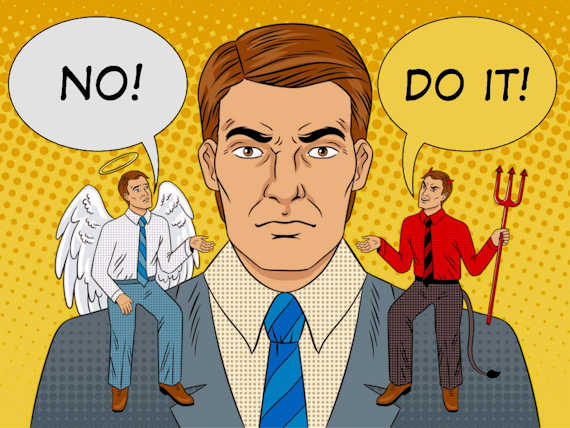
It’s an easy sale.
It’s okay to be selfish.
It’s okay to be immoral.
It’s okay to blame the liberal.
Foolish women like bad boys.
What can they do?
Stay home alone?
Do they even have a voice?
It’s an easy sale.
It’s okay to be hypocritical.
It’s okay to talk like a fascist.
It’s okay to be deplorable.
Because this is your country,
And since you’re a white male.
And since Trump is a chauvinistic pig,
There is no stigma in you being one, too!
It’s an easy sale.
It’s okay to fear-monger.
It’s okay to hate minorities.
It’s okay to build border walls.
Since you didn’t want a pastor—
for a president,
I guess you’re okay with an orange devil.
You have the cult’s blessing.
It’s an easy sale.
You can pay later for this bill of goods.
Don’t worry about your civil rights.
Trump said he would take care of it.
By: ElRoyPoet, 2024
Poem Prompt: The Real Secret to Trump’s Success
Understanding the Poem: A Reflection on Society and Identity
This poem serves as a critical reflection on contemporary societal issues, particularly in relation to masculinity, privilege, and the political landscape. Through its stark, confrontational language, the poem explores themes of morality, identity, and the complicity of individuals within a larger societal framework.
Structure and Tone
The poem is structured in short stanzas that highlight distinct yet interconnected ideas. The tone oscillates between sarcastic and confrontational, utilizing a direct address that seems to target a specific audience. This approach encapsulates a sense of disillusionment with certain societal norms and behaviors, particularly those associated with privilege and toxic masculinity. The repeated refrain, “It’s an easy sale,” suggests a sense of resignation or acceptance regarding the ease with which individuals might perpetuate harmful ideologies without questioning their validity.
Themes of Selfishness and Immorality
The opening lines of the poem establish a permissive atmosphere regarding self-interest and morality. Lines like “It’s okay to be selfish” and “It’s okay to be immoral” imply a societal acceptance of behavior that prioritizes individual gains over community well-being. This theme of self-righteousness is immediately juxtaposed against the coded language of blame directed at “the liberal.” The dichotomy suggests an intention to create an ‘us vs. them’ mentality, where the actions or beliefs of others are denigrated to excuse one’s own behavior.
Gender Dynamics and Toxic Masculinity
The poem keenly observes the dynamics between genders, particularly through the rhetoric surrounding women’s attraction to “bad boys.” The phrase “What can they do?” encapsulates a sense of powerlessness and diminishes women’s agency in their choices. Additionally, the text touches on the theme of identity, particularly through the lens of race and gender. The lines reference a “white male” perspective, drawing attention to the privileges often afforded to this demographic and how these privileges shape societal interactions and norms.
The reference to Trump as a “chauvinistic pig” serves to anchor the poem within a specific political context. This characterization not only critiques his personal conduct but also reflects a broader critique of acceptance of such behavior in public figures. The line “There is no stigma in being one, too!” reinforces the idea of normalization of toxic masculinity, suggesting that individuals may feel emboldened to adopt or imitate such traits without fear of societal reprisal.
Confronting Fear-Mongering and Division
Subsequent stanzas delve into themes of fear-mongering, minority oppression, and nationalism—specifically, the metaphor of building walls. Phrases like “It’s okay to fear-monger” and “It’s okay to hate minorities” expose the darker currents of societal sentiment that often gain traction during periods of uncertainty. The poem encapsulates the ease with which societal narratives can shift, providing justification for harmful ideologies and actions under the guise of patriotism or protection.
This theme is further heightened by the reference to a “pastor for a president,” contrasting moral and ethical leadership with the alternative of electing someone perceived as morally bankrupt. The phrasing suggests a prerequisite for moral integrity in leadership, which some may feel is lacking in contemporary politics, particularly as embodied by populists.
The Cult of Personality
In the lines “You have the cult’s blessing,” the poem critiques the phenomenon of blind loyalty and the idolization of political figures. This cult-like following diminishes the critical thinking and individual agency of the followers, as they conflate personal identity with political allegiance. The reference to “Trump said he would take care of it” underscores a troubling complacency, suggesting that individuals relinquish their own rights and responsibilities to a figure of authority.
Conclusion: The devil is in the details
In summary, the poem functions as a scathing critique of societal norms concerning privilege, masculinity, and political allegiance. By employing a confrontational tone and direct address, it draws attention to the complicity of individuals within a fractured societal structure. The repeated assertion that “It’s an easy sale” highlights the troubling ease with which harmful ideologies can proliferate when individuals choose to prioritize self-interest over communal empathy and moral integrity. Through its various themes, the poem encourages an examination of identity, responsibility, and societal values, challenging readers to reflect on their roles and beliefs within the larger tapestry of contemporary discourse.
When the patriots go to the polls on November 5, 2024, they must ask themselves: “When Trump bankrupts the nation—be it economic, social, or moral—who will put out the fires that he caused with his incendiary rhetoric?” How the citizen votes will determine the future stability of our country.
The implicit warnings in the poem serve as a crucial reminder of the responsibilities shouldered by both leaders and citizens in the fabric of American democracy. If Trump is re-elected, his track record is a strong indicator that he will lead the nation into a state of bankruptcy—the responsibility to extinguish the fires ignited by his inflammatory statements will not solely rely upon the Republican Party sycophants that sparked them but rather upon the populace that has empowered such rhetoric. It is time for Americans to engage in introspection, recognize their collective power, and actively participate in the healing and rebuilding of a society fractured by division. Only through conscious effort and a commitment to unity can the nation move beyond the flames of incendiary discourse and toward a more cohesive and prosperous future.
”I am Your RETRIBUTION”: Trump’s Most Incendiary Speech
Why Do Psychopaths Crave Power?
Unraveling the Pleasure in Others’ Pain: Neuroscience of Schadenfreude Explained
Decadence definition: Noun, 1. falling from a higher to a lower level of quality, character or vitality; 2. the state of moral, cultural or social decline as characterized by excessive indulgence in pleasure or creature comforts. Sentence, Trump brought back Southern Decadence: What “Make America Great Again” really means! No wonder evangelicals can’t resist the temptation, and conservative men can’t get enough.
The Allure of Decadence: How Trump Captivates Evangelicals and Conservative Men
Since the beginning of our political history, few figures have sparked as much fervor and division as Donald Trump. His unique brand of populist politics resonates deeply with certain demographics, particularly evangelical and conservative men. This phenomenon can be understood through the lens of decadence — a concept that refers to a decline in moral, cultural, and social values often accompanied by excessive indulgence in pleasure and creature comforts. Trump is selling age-old decadence, again, because he never stopped. The fact that evangelicals and conservative men continue to embrace him reveals more about their desires and societal trends than it does about Trump’s policies or lack of character.
The Enduring Appeal of Decadence
To grasp the allure of Trump’s message, one must first understand what decadence entails. According to the Dictionary, decadence encompasses a “decline in standards, morals, or progress,” often resulting in an affinity for luxury and excess. Social psychologists have long argued that indulgence in pleasure, a hallmark of decadence, is often a response to underlying dissatisfaction or anxiety in one’s life (Baumeister & Vohs, 2004). The appeal of Trump’s brand of populist politics rests significantly on his ability to cater to this desire, offering a bold, unapologetic persona that embraces excess and defiance of the status quo.
The Evangelical Paradox
One might question why evangelicals, who traditionally uphold values such as humility, integrity, and morality, would align themselves with a figure like Trump. The paradox can be explained by recognizing that many evangelicals feel marginalized in contemporary society. The rise of secularism and progressive values has left them feeling isolated, prompting a yearning for a leader who embodies their frustrations. Trump’s charisma, bombastic rhetoric, and perceived willingness to challenge political correctness resonate with a constituency eager for validation of their beliefs and a return to their cultural dominance.
Moreover, Trump’s appeal relies on a selective interpretation of prosperity religion’s teachings that condones ambitious pursuits of wealth and power. His slogan, “Make America Great Again,” parallels a longing for a bygone era perceived as more aligned with evangelical and conservative values. This yearning, despite the inherent contradictions in Trump’s personal life — marked by multiple marriages, alleged infidelities, and business dealings that often prioritize profit over principles — reveals a troubling acceptance among his followers. They are drawn to the notion that power and prestige can coexist with their religious beliefs, even when in reality they are in conflict.
The Male Gaze: Power and Masculinity
The resonance of Trump’s decadence is not limited to evangelicals; conservative men are equally captivated. The complexity of masculinity in modern society often leads to feelings of inadequacy among men, who may view traditional notions of masculinity as under threat in an increasingly progressive world (Kimmel, 2013). Trump embodies a hyper-masculine persona, characterized by bravado, wealth, and a willingness to confront opponents aggressively. This caricature of masculinity appeals to men longing for validation of their societal roles and desires, presenting a figure that embodies dominance and success.
Moreover, trump’s brand is wrapped in a facade of nostalgia for a time when men were perceived as the primary breadwinners and decision-makers. This allure is reminiscent of the notion that decadence can serve as an escape from the pressures of reality, allowing men to indulge in fantasies of success and power without the burdens of moral scrutiny.
Conclusion: The Consequences of Decadence
Trump’s ability to sell age-old decadence reflects broader societal trends that embrace indulgence, assertiveness, and moral ambivalence. Evangelicals buy into this decadence as a means of reclaiming lost power and self-worth, while conservative men gravitate toward a vision of masculinity that aligns with their desires for dominance and success. The consequences of this embrace are profound, leading to a fragmented political landscape and a society increasingly defined by the allure of excess rather than the pursuit of shared values and collective progress.
In a world ripe for moral reflection and integrity, it is essential to question whether the seductive pull of decadence offers true satisfaction or merely a temporary escape from the complexities of modern life. As we navigate through these turbulent waters, the choice remains: to indulge in the allure of decadence or to seek a path grounded in authenticity, humility, and genuine progress.
References
- Baumeister, R. F., & Vohs, K. D. (2004). Funder’s Principles of social psychology. Psychology Press.
- Kimmel, M. (2013). Angry White Men: American Masculinity at the End of an Era. Nation Books.
I can’t bring myself to vote for Trump. But let me tell you why other conservatives can.
[Patriarchs, Autocrats, Theocrats] think and say these things because they lack courage. They need to have women behave in certain, narrowly proscribed ways or they can’t handle it. They lack the courage to accept women for who they are. And [he] wants the state to protect him from independent women.
Demanding that women act “in accordance with men’s expectations of femininity” is not strength, it’s simpering weakness. People with fortitude have no need or desire to try to control others. Only a weak person feels threatened by other people having rights. Weak men […] need to cover up their fear of independent women by creating stories […] to convince themselves that they’re right to fear and hate women. Telling yourself that women don’t have rights is cowardice. […] A strong man is a feminist. Excerpt from Misogyny is Cowardice: An Example
“As seriously dangerous as pride is, it’s equally hard to spot. When it comes to diagnosing our hearts, those of us who have the disease of pride have a challenging time identifying our sickness. Pride infects our eyesight, causing us to view ourselves through a lens that colors and distorts reality. Pride will paint even our ugliness in sin as beautiful and commendable.
We can’t conclude that we don’t struggle with pride because we don’t see pride in our hearts. The comfortable moments when I pat myself on the back for how well I am doing are the moments that should alarm me the most. I need to reach for the glasses of Christ-like humility, remembering that nothing good dwells in my flesh, and search my heart for secret pride and its symptoms.” Excerpt from: Seven Subtle Symptoms of Pride
In the classic folktale “The Emperor’s New Clothes” by Hans Christian Andersen, a vain emperor is fooled by two con men into believing that his new clothes are invisible to stupid and incompetent people. The emperor pretends to see the clothes, and others follow his lead out of fear or belief. It is only when a child states that the emperor is naked that the illusion is shattered. This story captures the concept of malignant normality, where a narcissist with power and popularity normalizes an absurd alternate reality. This phenomenon can be observed not only in schoolyard and global politics, but also in various aspects of life.
Psychiatrist Dr. Robert Jay Lifton explains that malignant normality is rooted in history, particularly in the understanding of Nazi Germany. The Nazis manipulated ordinary people into embracing their ideology and participating in acts of genocide through a sense of normalcy. People didn’t have to fully believe in Nazism, but they had to accept the social order constructed around it. Their moral system and political beliefs were altered based on a narcissist’s lies.
Dr. Ramani Durvasula, a clinical psychologist, describes malignant normality as a mass delusion that originates from a specific source. This delusion is reinforced by various outside sources, such as news outlets, religious institutions, and political commentators, making it seem credible. However, a mass delusion is not the same as malignant normality. The shared belief becomes a malignant normality when it is deliberately propagated and reinforced by individuals or institutions seen as credible.
Dr. John Gartner, a psychologist who has studied narcissistic behavior, explains that the construction of reality is flexible and can be manipulated, especially when it comes from the top. A malignant narcissist, like Hitler or Trump, projects personal failures onto others by claiming that they are victims of unfair attacks. Such malignant narcissists propagate the rhetoric that “bad people” such as Jews, immigrants, liberals, and deviants are the enemy because they are trying to destroy us and our society. So anything we do to them is justified. The key here is that a politician creates a malignant normality by convincing people that falsehoods are true or that moral breaches are acceptable.
Dr. David M. Reiss, a psychiatrist, identifies four types of people susceptible to believing in malignant normality. They include those who are narcissistic and connect with another narcissist, people with sadistic or nihilistic aspects to their personalities, individuals attracted to powerful individuals without thinking through their attraction, and those who are genuinely confused and gaslighted, believing what goes against reality.
Malignant normality is not limited to politics but can also be seen in cults or scams like multi-level marketing campaigns. Malignant narcissists have the ability to create a sense of belonging and connection in those who fall into their narratives. These individuals may fear leaving the cult due to the consequences they may face if they admit to being deceived.
Stopping malignant normality is challenging but not impossible. Fact-checking and providing alternative sources of information can help individuals question their beliefs. It is possible for someone to question their beliefs if a person they trust subtly sows doubts or if being wrong hurts them in a way so serious that they can’t ignore it. However, it can be as difficult as trying to take away a person’s religion or God since they don’t want to let go of their beliefs and idols. This is a tragedy because the downstream effects of population-level gas-lighting can be observed as more and more of these individuals grow numb to cruel and perverse behaviors. Condensed excerpt from: If one person’s crazy beliefs suddenly become mainstream, that is malignant normality
“As it turns out, the act of getting pleasure from inflicting pain, suffering, or humiliation on others falls on a continuum. There’s a more subtle version commonly called ‘everyday sadism.’ Imagine a scenario where you have a heated argument with someone, and they retaliate with deeply hurtful remarks. Perhaps your wife sarcastically makes fun of a traumatic event you’ve shared in confidence, or your boyfriend cruelly criticizes what he knows is your most profound vulnerability. You’re devastated by this betrayal, and it shows on your face.
That’s the everyday sadist’s sweet spot. An individual without sadistic tendencies might feel a sense of regret or guilt even if they’ve “won” the argument. Winning the fight was the goal, not destroying the person in the process. The emotional havoc was just collateral damage.
For someone with sadistic tendencies, though, causing pain is the goal. People high on this personality trait often describe getting a rush of adrenaline when they hurt someone else; they feel dominant, powerful, and in control. One self-described everyday sadist said, ‘As they say, it’s all fun and games until someone gets hurt. And then it’s even more fun and games!’ Think of the feeling you get when you do something fun or exhilarating, … and then imagine you get that feeling when you hurt someone. That’s what it’s like to be a sadist.” Excerpt from Getting Pleasure From Someone Else’s Pain
Commentary: The rising prevalence of sadism—the perverse pleasure derived from inflicting pain or suffering on others—is a troublesome development in modern society, especially within Western cultures. This disturbing trend has caught the attention of experts in the fields of social and psychological science, who’ve been quick to sound the alarm at its defiance of fundamental human principles of decency and empathy.
This phenomenon is linked to the recent rise of Christian nationalism, an alarming trend motivated by a desire for power and control over others. Studies have shown that individuals who identify as Christian nationalists tend to hold more authoritarian beliefs and exhibit greater levels of prejudice and intolerance towards minority groups. This correlation is concerning because Christian nationalists often view themselves as part of an in-group that is superior to those outside the group, which can lead to contempt towards those who do not share their beliefs. Ironically, these Christian nationalists are suffering from self-delusion by believing that since they are evangelicals, it is their duty to conduct modern-day crusades.This sense of righteous indignation may lead to the cultivation of sadistic tendencies. Similar to addicts, these sadists tend to seek dopamine highs through the enjoyment gained from witnessing the misery of others, known as Schadenfreude.
The acceptance of sadism in contemporary society poses an existential threat to the very fiber of civilization and its institutions, as it challenges the bedrock principles of morality that uphold society. The quest for pleasure often leads to the impairment of our moral compass, as well as indulgence in bad behavior towards people we have never met. Historically, the judgment and collective punishment of entire groups have been among the darkest indictments of human nature. Notably, the most jaded and narcissistic groups are the ones with the most power—elites and government officials who are almost always immune to consequences for their actions.
This subculture also reflects a broader societal trend towards hostility and prejudice. It’s common to judge and condemn others based on their race, religion, sexual orientation or other minority group status. Such cruelty is inhumane and irrational, neglecting the inherent worth and dignity that all human beings share.
As members of a global community, it is crucial for us to strive towards compassion, tolerance, and respect for the human beings that make up our society. We must reject sadism in all its forms and endeavor always to build a fair, humane and just society.
Op Ed: If you let the devil have the upper hand, we will all become bondmen, and democracy will fail, so we have no choice but to make sure freedom prevails. Don’t believe the devil’s lies that you can have it both ways. You can’t support democracy and sell your capitalist soul to theocracy. It’s a trick to weaken your conviction, to destabilize your firm foundation, to make you overconfident that you won’t be affected by the slippery slope that leads to theocracy. If you support theocracy, you are undermining democracy—why is that so hard to understand? The reason communists, socialists, fascists, and Marxists embrace each other is because they don’t feel threatened by each other, so they give each other space to maintain their deception of “honor among thieves”. The only way to save humanity is for truth and democracy to win over deception and theocracy. As the saying goes,”Injustice anywhere is an injustice everywhere,” and it’s coming to a theater near you.
Rivalry: How to beat a basic instinct
Hate is a powerful emotion that often leads to negativity, violence, and radicalization. There are various reasons why people develop hatred, such as differences in cultures, religions, beliefs, and values. Other reasons include a lack of understanding and empathy towards others, fear or insecurity, past experiences of trauma or conflict, histories of oppression or discrimination, and propaganda or manipulation by extremist groups.
However, hating someone or an ethnic group is not a solution to resolve conflicts, as it perpetuates a vicious cycle of negativity and retaliation. This cycle of hate and radicalization leads to more violence and deepens divisions, preventing the resolution of conflicts, ultimately leading to destruction and chaos. Radicalization is premeditated retribution and is often justified in the name of religion, politics, or ideology. Nevertheless, it does not address the underlying issues and increases the intensity of the cycle of hate. To halt this vicious cycle, we must address the root causes of hate and radicalization by identifying their sources and working towards eliminating them, promoting tolerance, understanding, and respect for diversity, and providing educational programs to combat extremist propaganda and recruitment.
The impact of hate on a nation is far-reaching. It polarizes society by pitting opposing groups with different beliefs, values, and interests against each other. This creates an “us versus them” mentality that makes it challenging to find common ground and isolates people from one another, diminishing opportunities for collaboration and negotiation. Hate often culminates in violence and can result in increased hate crimes perpetrated against specific groups of people. This violence causes injuries and fatalities, creating feelings of insecurity and fear within society. Additionally, hate creates tension and conflict between diverse groups of people, leading to friction and communication breakdowns, ultimately fragmenting society. Hate can lead to discrimination based on race, gender, sexuality, and religion and undermines social cohesion, leading to reduced opportunities and access to resources. Furthermore, conflicts and violence caused by hate can create economic costs to a region or a nation, as it can lead to the destruction of property and the disruption of businesses and transportation networks, resulting in a decline in the overall well-being of the affected community.
In conclusion, to eradicate hatred, hard work and dedication are required. Society must take a firm and uncompromising stance against hate and radicalization to combat their impact. The quest for peace will always be a constant struggle. However, it is a noble and necessary cause, and the best option available to create a harmonious environment that respects diversity and ensures the safety and security of future generations.
“The sins of the flesh are bad, but they are the least bad of all sins. All the worst pleasures are purely spiritual: the pleasure of putting other people in the wrong, of bossing and patronizing and spoiling sport, and back-biting, the pleasures of power, of hatred. Prostitutes are in no danger of finding their present life so satisfactory that they cannot turn to God; the proud, the avaricious, the self-righteous, are in that danger. That is why a cold, self-righteous prig who goes regularly to church may be far nearer to hell than a prostitute. But, of course, it is better to be neither.” By: C. S. Lewis
As humans, we tend to act in ways that are very predictable and unfortunately toxic. The solution lies in treating others as you wish to be treated; “So in everything, do to others what you would have them do to you, for this sums up the Law and the Prophets” (Bible, Matthew 7:12). It’s tragic, but some people become so obsessed with gaining money and power, that they will continue to do harmful things to those around them, until they are finally compelled to stop. ‘Do not take revenge, but leave room for God’s justice, for it is written: “It is mine to avenge; I will repay,” says the Lord.’ (Romans 12:19)
“The devil will remind you over and over again, of your past. Because he knows, that the day you stop feeling sorry for yourself, he has no future with you. Holding on to old grudges will not remove the pain in your brain. Only Jesus can transform your life, if you allow him into your heart.” By: ElRoyPoet
 elroypoet.blog