

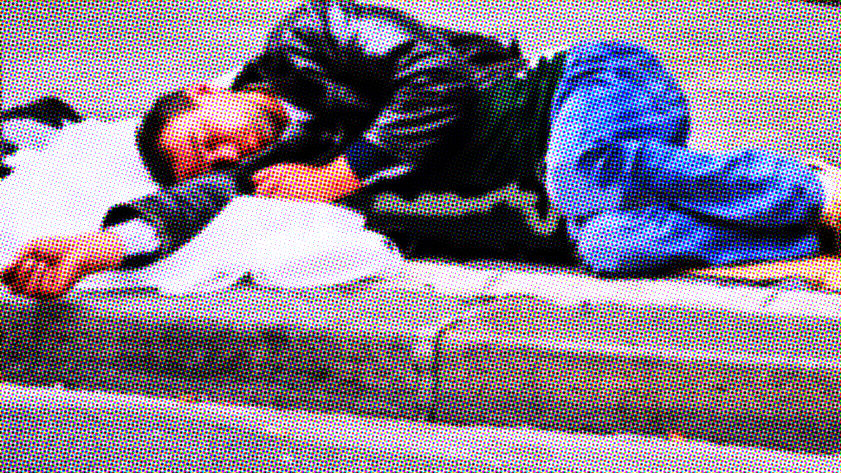
I saw a homeless human
sleeping on the sidewalk.
Cars were driving by,
people were walking past.
But, I also couldn’t stop to help—
because then,
I’d be late for work myself,
and I didn’t want to be that guy.
Every day is a struggle.
Bills piling up, the rent is due—
I have people counting on me.
My old car keeps breaking down.
I’m only one paycheck away from broke.
I’m already walking on eggshells at work,
so I can’t afford to slip up again—
or else I’ll be that guy.
So what can I do?
My heart aches for the needy,
but I’m also having a hard time, too.
Everything’s so expensive.
The gas keeps rising higher.
Jesus said: “The poor will always be with you.”
Was He talking about that guy,
or about me—the next guy in line?
I carry this anxiety with me,
a silent struggle, I can’t explain.
So I wear a mask to hide the shame,
fighting sorrows, I can’t contain.
Maybe someday, God will make a way—
to lift that guy off the payment,
to trade my despair for hope,
and turn this broken world around.
Edited by: ElRoyPoet © 2025
Illegal to Sleep: Grants Pass’ Cruel War on Homelessness
The Supreme Court says cities can punish people for sleeping in public places
Fined. Arrested. Still Nowhere to Live.
Analysis of “Economic Insecurity”: Exploring the Rising Homelessness Crisis
The poem “Economic Insecurity” poignantly captures the personal and societal struggles surrounding homelessness, emphasizing the pervasive nature of economic hardship that leads to individuals living on the streets. Through vivid imagery and emotional reflection, the poet invites readers to consider not only the plight of the homeless but also the internal conflicts faced by those who witness their suffering yet feel powerless to intervene.
The Personal Reflection and Broader Societal Issue
The narrator describes encountering a homeless person sleeping on the sidewalk, surrounded by the daily rush of cars and pedestrians. This scene symbolizes the invisibility and neglect often faced by the homeless community. The narrator’s internal conflict—wanting to help but feeling constrained by personal circumstances—mirrors a widespread societal reluctance to address homelessness directly. This hesitation is rooted in economic insecurity, which the poem underscores through lines like “Bills piling up” and “one paycheck away from broke.” Such sentiments resonate with statistical data showing how fragile financial stability is for many Americans.
Rising Homelessness: A Worsening Crisis
According to the U.S. Department of Housing and Urban Development (HUD), approximately 582,000 people experienced homelessness on a single night in January 2022, marking an increase of about 2.2% from the previous year. The pandemic exacerbated this crisis, with unemployment rates peaking at 14.8% in April 2020, and subsequent economic disruptions leaving many vulnerable. The National Alliance to End Homelessness reports that the number of individuals experiencing chronic homelessness, often linked to economic insecurity, has been steadily rising over recent years.
Several factors contribute to this trend. The rising cost of living outpaces income growth, leading many to live paycheck to paycheck. The Consumer Price Index (CPI) indicated that inflation reached 8.2% in 2022, the highest in four decades, driven by increases in housing, fuel, and food prices. Gas prices, specifically, have seen significant swings, with the U.S. Energy Information Administration noting that average gasoline prices rose from around $3.00 per gallon in early 2021 to approximately $4.50 in 2025 in the state of California, straining household budgets further.
Economic Insecurity and Housing Instability
The poem highlights the cycle of economic hardship—”Bills piling up,” “the rent is due,” and “only one paycheck away from broke.” Housing affordability is a critical issue; the National Low Income Housing Coalition reports a nationwide shortage of 7 million affordable and available rental homes for extremely low-income renters. This shortage forces many to choose between eviction and homelessness. Additionally, the rise in evictions, fueled by economic downturns and stagnant wages, directly correlates with increasing homelessness.
The Societal and Moral Dilemma
The narrator’s reflection—”I also couldn’t stop to help”—speaks to a broader societal dilemma: the tension between compassion and self-preservation. The biblical reference, “The poor will always be with you,” underscores the persistent presence of poverty and homelessness, suggesting that these issues are chronic rather than episodic. This raises questions about societal responsibility and the need for systemic change.
Hope and Call for Action
The poem concludes with a plea for hope and divine intervention—”Maybe someday, God will make a way”—symbolizing a desire for a future where compassion and effective policies can transform despair into hope. This aligns with calls from advocacy groups for increased affordable housing, mental health services, and economic policies aimed at reducing income inequality.
What’s Actually Causing The Nation’s Homelessness Crisis?
“Economic Insecurity” encapsulates the complex web of personal hardship and societal failure that sustains the rising homelessness crisis. As statistics reveal, millions are caught in this cycle of financial instability, exacerbated by inflation, housing shortages, and stagnant wages. The poem serves as a moral reminder of the urgency to address these systemic issues—improving economic security, expanding affordable housing, and fostering a society where compassion translates into meaningful action.
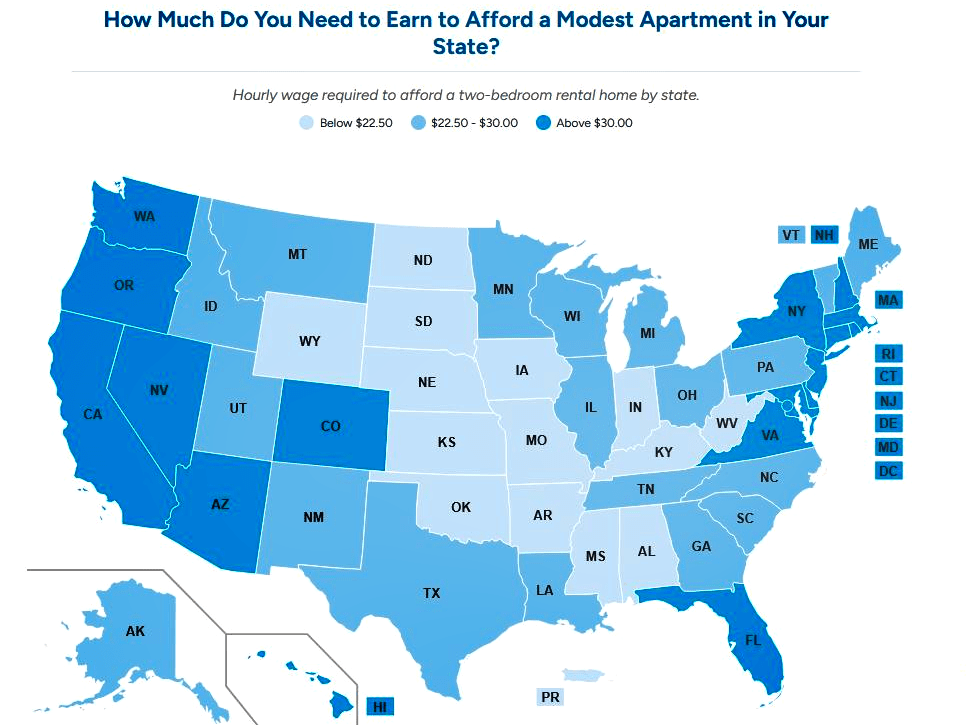
Reasons Why People Slip Into Homelessness
Homelessness is a multifaceted issue, often resulting from a complex interplay of economic, social, health, and personal factors. While some individuals experience a sudden crisis, others gradually find themselves unable to maintain stability. Understanding the root causes enriches the context of the poem’s depiction of economic insecurity and highlights the urgent need for systemic solutions.
Economic Factors
One of the primary reasons individuals become homeless is economic hardship. The rising cost of living outpaces income growth, leaving many unable to afford basic necessities. According to the U.S. Census Bureau, median household incomes have stagnated over the past few decades, while housing costs have increased dramatically. The National Low Income Housing Coalition reports that in 2023, a full-time minimum-wage worker would need to work over 70 hours per week to afford a modest one-bedroom apartment at fair market rent in most U.S. cities.
Unemployment or underemployment can also push individuals into homelessness. The COVID-19 pandemic caused a surge in job losses, with millions losing their jobs or facing reduced hours, leading to eviction and housing insecurity. The Federal Reserve reported that in 2020, about 11.5 million Americans faced eviction or foreclosure.
Housing Market Shortages and Affordability
The shortage of affordable housing is another critical factor. The National Low Income Housing Coalition highlights a nationwide deficit of 7 million affordable rental units for extremely low-income households. When affordable options are scarce, families are forced to stretch their budgets or face eviction. Rent increases, often driven by gentrification and urban development, further exacerbate this problem.
Health and Mental Health Challenges
Health issues, including mental illness and addiction, significantly contribute to homelessness. The Substance Abuse and Mental Health Services Administration (SAMHSA) notes that approximately 30% of people experiencing homelessness have a serious mental illness, yet only a fraction receive adequate treatment. Mental health crises can impair an individual’s ability to retain employment or maintain housing.
Personal Crises and Family Breakdown
Life events such as divorce, domestic violence, or the death of a breadwinner can destabilize families. Domestic violence, in particular, is a leading cause of homelessness among women and children. The National Coalition Against Domestic Violence reports that on any given night, approximately 4.4 million women and children are homeless due to fleeing abusive situations.
Lack of Support Systems and Social Safety Nets
Limited access to social safety nets—such as affordable healthcare, unemployment benefits, and supportive housing—can leave vulnerable populations exposed to homelessness. Cuts to public assistance programs, coupled with complex application processes, often hinder access to emergency aid.
Generational Poverty and Cycles of Disadvantage
Poverty can become cyclical, with children raised in impoverished households more likely to face homelessness as adults. Lack of access to quality education, stable employment, and healthcare perpetuates this cycle, making it difficult for individuals to break free from poverty.
STUDY: Neoliberalism Has Poisoned Our Minds To Prefer Inequality
The pathway into homelessness is rarely linear or singular; rather, it is shaped by interconnected factors that compound over time. Economic instability, housing shortages, health crises, family disruptions, and systemic failures all contribute to individuals slipping into homelessness. Recognizing these root causes emphasizes the importance of comprehensive policy responses—ranging from affordable housing initiatives to mental health services—to effectively address and prevent this pervasive issue. As the poem underscores, behind every person on the street is a complex story of struggles that society must acknowledge and work to resolve.
Private Equity’s Ruthless Takeover Of The Last Affordable Housing In America
The Quiet Resolve of Wage Earners
Every day, millions of people do the work that makes life possible — even if most of us don’t notice them. They scan groceries, wash dishes, clean rooms, deliver packages, pick crops, and care for the sick. Those jobs may seem small, but without them stores would close, hospitals would slow, food would spoil, and families would go hungry.
Each job is tied to a person with bills to pay, kids to feed, and hopes they’re trying to hold on to. The cashier at the discount store counts change and worries about rent. The factory worker repeats the same motions all day and spends nights trying to stretch every dollar. The farmworker works under a blazing sun and dreams of a different life. The care giver who helps someone stand while carrying her own fears. Dishwashers, janitors, delivery drivers, bus drivers — they keep things running even when people treat their work like it’s unimportant.
These workers face more than tired muscles. Their schedules are often unpredictable. They might not have health care, paid time off, or job security. They feel invisible sometimes, passed over for respect or promotion. And they carry emotional burdens: single parents worrying about their children, people haunted by lost chances, and those who feel alone in their struggles.
Still, dignity shows up in small acts: the bus driver who greets passengers, the street vendor who arranges items with care, the landscaper who keeps someone’s yard neat. These acts prove a person’s worth isn’t just their paycheck. Work does more than make things — it keeps neighborhoods alive and gives meaning to people’s days.
Recognition needs to go beyond saying “thank you.” It means changes like fair wages that match the cost of living, predictable hours so families can plan, health care and paid leave so illness doesn’t lead to disaster, and real chances to move up. Businesses and lawmakers should measure success by how workers are treated, not only by profit.
Recognition also starts with everyday respect. It’s customers speaking kindly to a tired cashier, managers checking in with employees, and communities supporting good schools, transportation, and housing. Small acts add up: when people are treated fairly, stress goes down, service gets better, and communities become stronger.
We depend on these workers. We praise innovation and leadership, but we also need the hands that do the daily, the dirty, and the necessary. Telling workers’ stories helps us see them as people, not numbers. When dishwashers, farmhands, couriers, janitors, and childcare workers are seen and heard, we move closer to fairness.
To work is to take part in the life of a community. Denying fair pay or respect denies someone their fair share. Giving dignity through laws, workplace changes, and small acts of kindness helps everyone. We are all the “I” in that list: tired, hopeful, steady, and sometimes forgotten. Recognize the people who keep the world turning — they deserve it.
“We are all enmeshed in this form of subjectivity, conditioning ourselves to fit with the demands of the market, and expecting others to do the same. Yet our data shows that this way of thinking allows the poor to be blamed for their misfortune, and encourages opposition to interventions to support them in favor of attempts to change individual mindsets and behavior patterns. At its extreme, it harms the middle class too…
There’s one problem: mindsets are not free-floating. They are neither optional strategies that everyone can freely adopt nor value-neutral ways of enhancing well-being. Instead, they are embedded in life conditions that have material, social and ideological dimensions, and this is just as true for those of us living in poverty as it is for the rest of us living in financial comfort…
Imagine for a moment what scarcity and instability might feel like at the bottom of the socioeconomic ladder. You are constantly uncertain whether you will earn enough money (will your employer give you the hours you need this week?), while trying to avoid unexpected financial demands (will your child need a new school uniform, or will your car need repairs?). If you’re unable to pay rent, your family loses their home…
A person in this situation is not mindlessly pessimistic and blind to opportunities to fulfil their aspirations; they’re regulating emotions and conserving their energies so that they don’t face continual disappointment or overlook very real threats. In Hand to Mouth (2014), a powerful chronicle of surviving on a low-wage job in the US, Linda Tirado writes: ‘We don’t plan long term because if we do we’ll just get our hearts broken. It’s best not to hope. You just take what you can get as you spot it.’…
To make it easier for people to adopt a mindset that unlocks flourishing, we should first ensure that their needs are met in a stable way, so they experience real control over their life circumstances and have a future that is worth investing in.”
Excerpts from: Why we shouldn’t push a positive mindset on those in poverty
“Since it’s often impossible to get a reasonable sense of what will happen in the future, it’s unfair to blame people with good intentions who end up worse off as a result of unforeseen circumstances. This leads to the conclusion that compassion, not blame, is the appropriate attitude towards those who act in good faith but whose bets in life don’t pay off…Despair thrives where empathy is missing; right now, our lack of compassion for one another is killing us…No matter how smart we think we are, there’s a hard limit on what we can know, and we could easily end up on the losing end of a big bet. We owe it to ourselves, and others, to build a more compassionate world.” Excerpt from The mathematical case against blaming people for their misfortune
“The world has enough for everyone’s need, but not enough for everyone’s greed.” By: Mahatma Gandhi
The Uncensored Truth about Inflation—How Inflation Enriches Politicians and the 1%
Commentary: Throughout life, individuals face numerous challenges that can alter their beliefs and perspectives. It’s common for people to blame others for their faults and shortcomings, as acknowledging personal flaws can threaten self-esteem. However, perpetuating a victim mentality by blaming others hinders personal growth and prevents meaningful self-improvement. While upbringing and environment significantly influence character, ultimately, it is up to each person to take responsibility for their own lives.
A society that validates individuals solely based on their abilities fosters a competitive and sometimes intolerant mindset. This focus on achievement can encourage people to prioritize themselves at the expense of empathy and compassion, creating a hostile environment. Such attitudes often lead to interactions with impatient bigots who may perceive non-affluent individuals as ignorant or hysterical. Bullies exemplify this cruelty, escalating confrontations and callously pushing victims toward anxiety, depression, or breakdowns.
Furthermore, equating worth with perceived status can reinforce the misconception that those who have achieved the most are most deserving of resources and opportunities, while those facing hardships are deemed unworthy. This perspective unjustly punishes individuals for circumstances beyond their control, ignoring that many barriers—such as socioeconomic obstacles—limit opportunities for success. It’s important to recognize that success and worth are not solely determined by wealth or accomplishments but are also shaped by struggles, experiences, and values.
There exists a universal belief that success correlates with intelligence or hard work, leading many to assume that those who are poor have simply “messed up” along the way. While effort and talent contribute, systemic barriers can prevent equally capable individuals from reaching similar heights. Accepting that some people “deserve” their position more than others can foster resentment and undermine the empathy necessary for a compassionate community. Most individuals want to believe they’ve achieved success on their own, but this should not give them the right to despise or diminish the less fortunate.
Recognizing the complexity of individual circumstances and the value of human dignity fosters a more peaceful, connected community. Valuing people for their struggles, experiences, and inherent worth—rather than solely their accomplishments—encourages empathy, compassion, and personal growth for all.
“I don’t know any successful person who didn’t work hard. However, I also don’t know any successful person who hasn’t enjoyed at least a few strokes of good luck or serendipity along their path: a parental introduction to an opportunity, a helpful mentor, or falling into a work niche that happens to be on the crest of a rising wave. However I know many more hard-working people who never experience those bits of luck and end up toiling away ineffectually.“
What did Jesus really mean when he said, “The poor you will always have with you”?
Perhaps, “The poor you will always have with you,” doesn’t mean what you think it means
 elroypoet.blog