

I’m a poet,
I don’t doubt it,
even if
I’m not very good at it.
You can choose,
who you want to be—
you’ll just have to
work at it too.
You might not be
the best there is,
but I’ll give you the credit
for what you do.
So be careful,
with what you practice,
because you’ll become
much better at it too.
For it would be a shame,
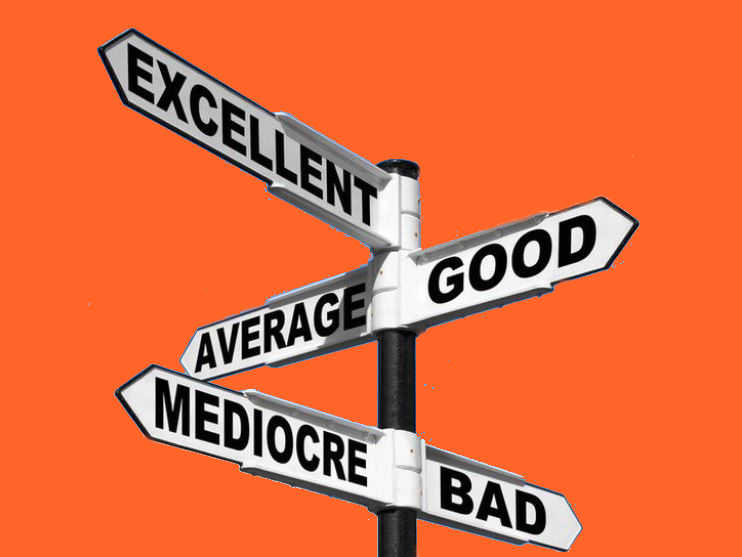
if practicing mediocrity—
wasn’t really—
what you were aiming to do.
Spanish Version
Soy un poeta,
no lo dudo,
aunque
no soy muy bueno en eso.
Puedes elegir
quién tu quieres ser,
sólo tienes que trabajar—
también en eso.
Puede que no seas,
el mejor que hay,
pero te daré el mérito
por lo que haces.
Así que ten cuidado
en lo que practicas,
porque te harás mejor—
también en eso.
Porque sería una vergüenza
si practicar la mediocridad—
no fuera realmente
lo que estabas buscando lograr.
Por: ElRoyPoet © 2019
“When you’re trying to do something hard, what your brain does is give you something else to do that’s not quite as difficult, so you can feel justified in not doing the thing you’re supposed to be doing in the first place. Essentially, your brain is tricking you into believing that you’re doing something else that’s also useful. If you give in to that temptation—which you often will—your brain wins. Because it wins, it gets a little dopamine kick, and it grows stronger.
Anything you let win causes the internal argument to grow, while anything you let be defeated shrinks, because it’s being punished—it doesn’t get to have its way. So another thing to remember is not to practice what you don’t want to become. Those are neurological circuits—you build those connections, and they’re not going anywhere. You can resort to other strategies or coping mechanisms to inhibit them—that’s the best you can do. But once they’re in your brain, you can’t simply remove them.
And the ones you inhibit can also be reactivated by stress, and old habits may resurface. So you have to be careful with what you say and do because you’re training your subconscious that way.” By: Jordan Peterson (edited for clarity)
Why Most People Will Remain in Mediocrity
“If you’re a perfectionist, that might mean you can be pretty hard on yourself. A mistake at work, for example, could result in some pretty negative self-talk or actions, like depriving yourself of a snack later that day. In other words, you’re punishing yourself. But self-punishment doesn’t encourage growth: ‘When you punish someone, that person doesn’t learn how to change; they learn how to avoid the source of the punishment.’ If you are the source of your own punishment then you learn to avoid yourself. This might look like overworking, overspending, or numbing yourself with excessive consumption of social media or TV shows.” Excerpt from This positive psychology theory will help you learn from your mistakes: ‘Punishment doesn’t work’
3 Biggest Reasons You Keep Procrastinating
“In the novel Catch-22, the author Joseph Heller famously wrote: ‘Some men are born mediocre, some men achieve mediocrity, and some men have mediocrity thrust upon them.’ He’d taken a quote by Shakespeare on greatness and turned it on its head. The implication was clear: mediocrity is a bad thing, to be avoided. Yet most of us go on to live what by most measures are pretty ordinary lives. So what’s wrong with settling for mediocrity?” Excerpt from: How to Be Mediocre and Be Happy With Yourself
“There are things we all do, or don’t do, that lead us to waste far more time than we realize in the moment.” Excerpt from The Biggest Wastes Of Time We Regret When We Get Older
The Psychology of the Anti-Hero
Commentary: The human brain is not a computer hard drive that you can wipe clean. If you could format your brain like a hard drive, you would end up a vegetable. So don’t fill your head with any wrong ideas! But most importantly, don’t let hackers invade your free space and don’t let anybody push your buttons. Because once you allow malicious code to enter into your memory cells, it resides there forever.
7 dimensions of depression, explained
An Analysis of Self-Perception and Growth in the Poem
The poem presents a nuanced reflection on self-identity, effort, and the importance of intentional practice, encapsulated within a tone that balances humility with encouragement. At its core, the poet explores how individuals perceive themselves and the significance of deliberate effort in shaping personal development, themes that are deeply rooted in psychological theories of self-concept, motivation, and behavior change.
The opening lines, “I’m a poet, I don’t doubt it, even if I’m not very good at it,” immediately suggest a sense of self-affirmation despite acknowledged imperfections. This aligns with Carl Rogers’ humanistic psychology, which emphasizes the importance of a positive self-concept and unconditional self-acceptance. The speaker’s declaration indicates a healthy self-awareness—recognizing limitations without allowing them to undermine their identity. This attitude fosters self-efficacy, a concept introduced by Albert Bandura, which refers to the belief in one’s ability to succeed in specific tasks. By affirming their identity as a poet, the speaker demonstrates a foundational confidence that can motivate perseverance despite shortcomings.
The subsequent advice, “You can choose who you want to be—you’ll just have to work at it too,” underscores the role of intrinsic motivation, a concept extensively studied in psychology. Self-determination theory posits that individuals are driven by internal desires for mastery and competence. The poem emphasizes that personal transformation requires effort and intentionality—highlighting that agency is crucial. The notion of choice paired with effort echoes the idea that motivation alone is insufficient without action, aligning with the growth mindset concept popularized by Carol Dweck. A growth mindset encourages embracing challenges and viewing failures as opportunities for development, which is subtly reflected in the poem’s message that effort shapes identity.
The lines “You might not be the best there is, but I’ll give you the credit for what you do,” reinforce the importance of recognizing effort and progress over innate talent. This aligns with the incremental theory of intelligence, which suggests that skills and abilities can be developed through dedication and practice. Such recognition can foster self-determination and resilience, motivating individuals to continue striving even when they do not excel immediately.
The poem’s cautionary note, “So be careful with what you practice, because you’ll become much better at it too,” emphasizes the concept of neuroplasticity—the brain’s ability to rewire itself based on behaviors and experiences. Psychological research indicates that repeated practice strengthens neural pathways, making skills more automatic and ingrained. The poem subtly warns that habits—whether positive or negative—become embedded over time. This idea is supported by evidence showing that behavioral patterns formed through consistent practice shape personality and skill development, highlighting the importance of mindful effort.
Finally, the closing lines, “if practicing mediocrity wasn’t really what you were aiming to do,” serve as a reminder that unintentional complacency can lead to stagnation. From a psychological perspective, this reflects the importance of goal-setting and self-regulation. Without clear aspirations and conscious effort, individuals risk defaulting into patterns of mediocrity, which can inhibit growth. The poem advocates for intentional practice aligned with personal goals, echoing the principles of self-determination theory and self-regulation strategies that foster meaningful change.
In conclusion, the poem weaves together themes of self-awareness, motivation, neural plasticity, and mindful practice, all grounded in psychological principles. It encourages an active, deliberate approach to personal development, emphasizing that identity and skill are not static but are shaped continuously through effort and intention. Ultimately, it advocates for a growth-oriented mindset, reminding us that who we become depends largely on what we choose to practice and nurture.
Definition: Self-sabotage is when people do (or don’t do) things that block their success or prevent them from accomplishing their goals. It can happen consciously or unconsciously. Self-sabotaging behaviors can affect our personal and professional success, as well as our mental health.
 elroypoet.blog